LIFEWS Foundation Learning • Innovation • Food • Energy • Water • Sustainability
Building Integrated Green Enterprise Ecosystems Across Africa

Building Africa’s Green Workforce and Sustainable Livelihoods

LIFEWS connects education, practical skills, garden systems, digital technology, enterprise development, research and markets to help schools, youth, women, farmers and communities build sustainable livelihoods.

We do not implement isolated projects. We design and coordinate integrated systems through which people learn, become certified, deliver green services, establish productive enterprises, access markets and create measurable community impact.

  • Training and certification
  • School and home gardens
  • Youth employment
  • Women-led enterprises
  • Digital monitoring
  • Sustainable food systems
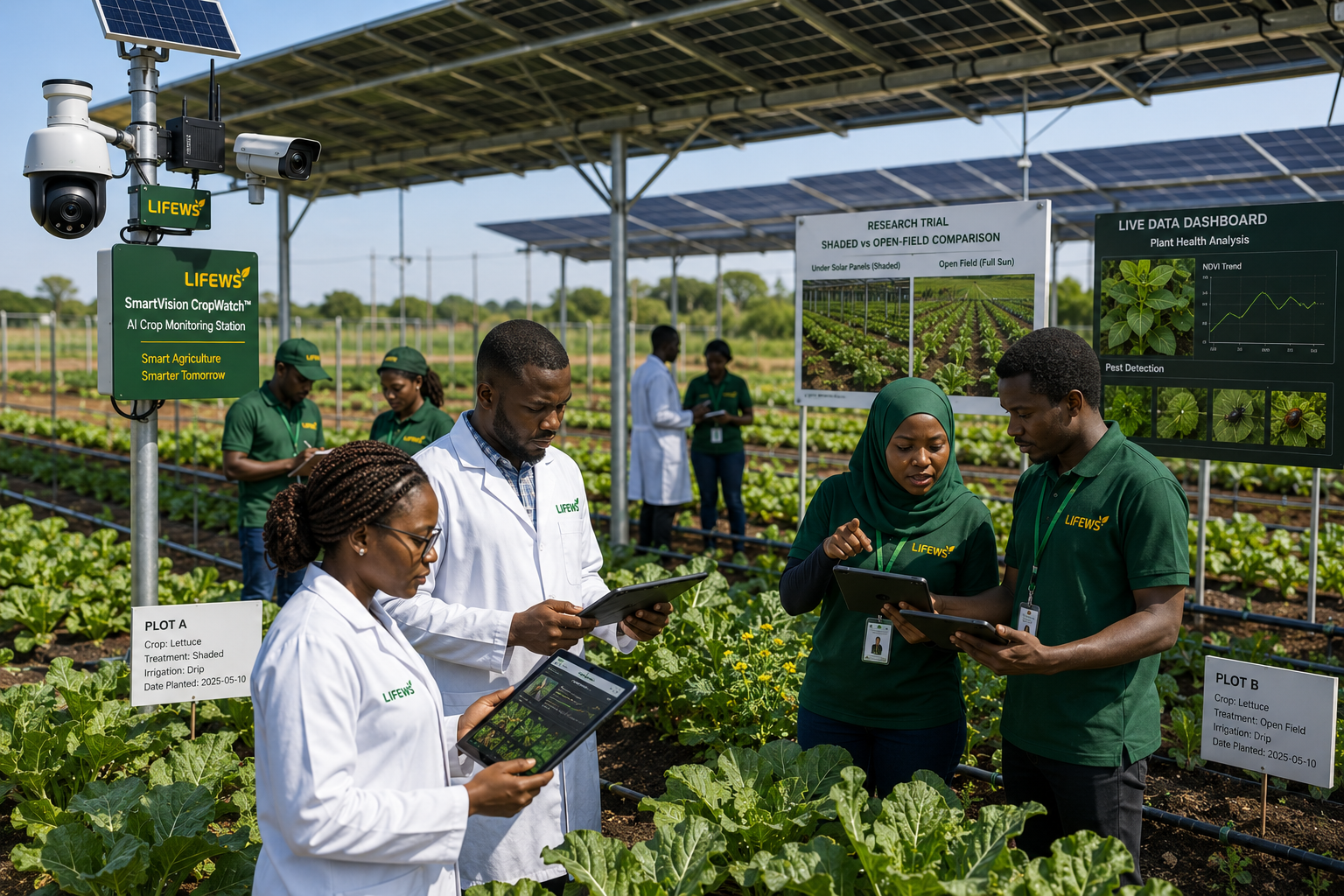
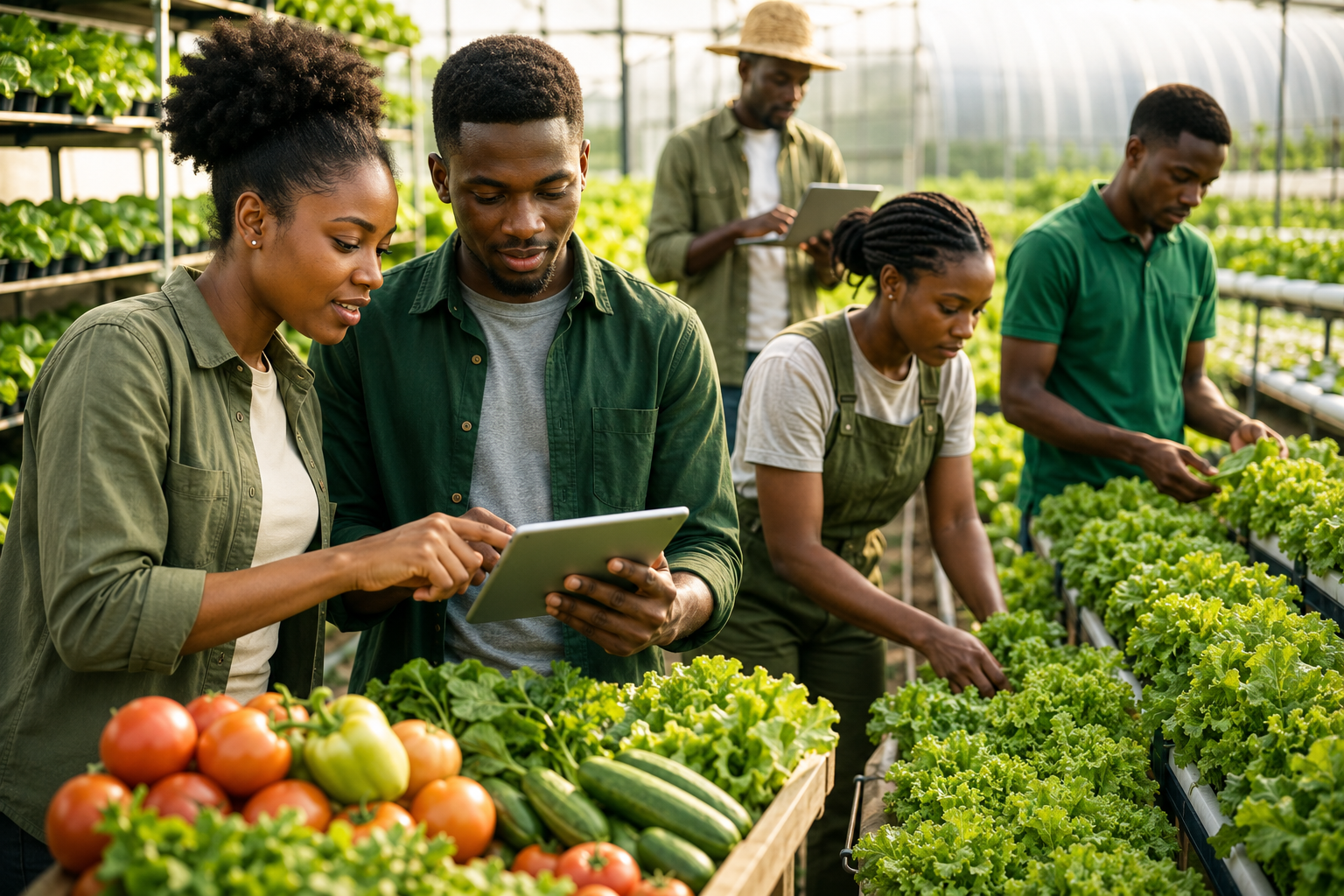
African students, youth, women and farmers participating in a sustainable school and community garden ecosystem
One Connected System Learning to Livelihoods

Training, gardens, enterprise, markets and measurable impact.

Learn Certify Build Earn

Sustainable Livelihoods Require More Than Training

Training alone does not create sustainable livelihoods. Agricultural production alone does not guarantee income. Technology without local capacity cannot create lasting impact.

The LIFEWS Green Enterprise Ecosystem connects knowledge, certification, productive systems, digital tools, enterprise support, markets and research within one coordinated model.

Our Operating Principle
Sustainable livelihoods are created when knowledge, technology, production, enterprise and markets operate as one integrated system rather than isolated projects.
The LIFEWS Participant Journey

From knowledge to enterprise, income and community impact

See the complete ecosystem
01

Learn

Access practical courses, demonstrations and learning resources through LIFEWS Academy and LIFEWS Books.

02

Become Certified

Demonstrate knowledge, practical competence, reliability and professional conduct.

03

Build or Manage

Install or operate a school garden, home garden, nursery, demonstration farm or community production system.

04

Produce and Serve

Grow food, produce seedlings, deliver garden services, facilitate learning or provide technical support.

05

Sell and Earn

Connect products and services to schools, households, institutions, businesses and other buyers.

06

Reinvest and Mentor

Expand successful enterprises, support new participants and strengthen the wider community ecosystem.

The participant journey is supported by LIFEWS Academy , LIFEWS Books , GrowHub Systems and the LIFEWS App .

The Infrastructure Behind the Ecosystem

Five Connected Platforms. One LIFEWS System.

Each LIFEWS platform performs a distinct function. Together, they connect institutional leadership, practical learning, standardized knowledge, physical implementation and digital management within one integrated green enterprise ecosystem.

01
Ecosystem Integration

LIFEWS Foundation

Strategy, partnerships, programs and impact

LIFEWS Foundation serves as the ecosystem integrator. It coordinates social-impact programs, mobilizes communities, aligns partners, supports research and ensures that the entire LIFEWS system advances sustainable development objectives.

  • Program design and governance
  • Community mobilization
  • Partnership coordination
  • Monitoring and evaluation
  • Research and policy engagement
  • Resource mobilization
02
Learning and Certification

LIFEWS Academy

Training, assessment and professional credentials

LIFEWS Academy provides structured learning pathways that help schools, teachers, youth, women, farmers and trainers develop practical green skills and demonstrate their competence through assessment and certification.

  • Online and blended courses
  • Practical field training
  • Competency assessments
  • Digital certificates
  • Instructor development
  • Accredited training centers
03
Publishing and Learning Resources

LIFEWS Books

Knowledge for learning and practical action

LIFEWS Books creates the standardized knowledge materials used throughout the ecosystem, including technical manuals, student workbooks, classroom resources, enterprise guides and digital learning materials.

  • Practical manuals
  • Student workbooks
  • Teacher and trainer guides
  • Classroom charts
  • Flashcards and activity kits
  • Digital publications
04
Physical Systems and Services

GrowHub Systems

Garden design, installation and maintenance

GrowHub converts knowledge and training into productive physical systems for schools, homes, communities and institutions. It standardizes garden packages, technical services and ongoing maintenance.

  • School gardens
  • Home nutrition gardens
  • Raised-bed systems
  • Sack and container gardens
  • Microgreens and nursery units
  • Installation and maintenance
05
Digital Operating System

LIFEWS App

Identity, learning, work, production and impact

The LIFEWS App digitally connects participants, courses, certificates, garden sites, work assignments, production, enterprise records, sales and measurable impact through one integrated platform.

  • Digital participant identity
  • Course and certificate records
  • Garden and farm profiles
  • Work assignments
  • Production and sales records
  • Monitoring and impact dashboards
Integrated by Design

Each platform supports the same participant journey.

A participant may learn through LIFEWS Academy, use a manual from LIFEWS Books, complete practical work through GrowHub Systems, receive assignments through the LIFEWS App and participate through AgriShine, AgriNext, AgriAble or AgriRoots.

Foundation Academy Books GrowHub App
See How the Platforms Connect
Programs Designed Around People

Four Pillars. Four Pathways to Sustainable Livelihoods.

LIFEWS Academy, LIFEWS Books, GrowHub Systems and the LIFEWS App provide the shared ecosystem infrastructure. AgriShine, AgriNext, AgriAble and AgriRoots organize how schools, youth, women, farmers and communities participate in that ecosystem.
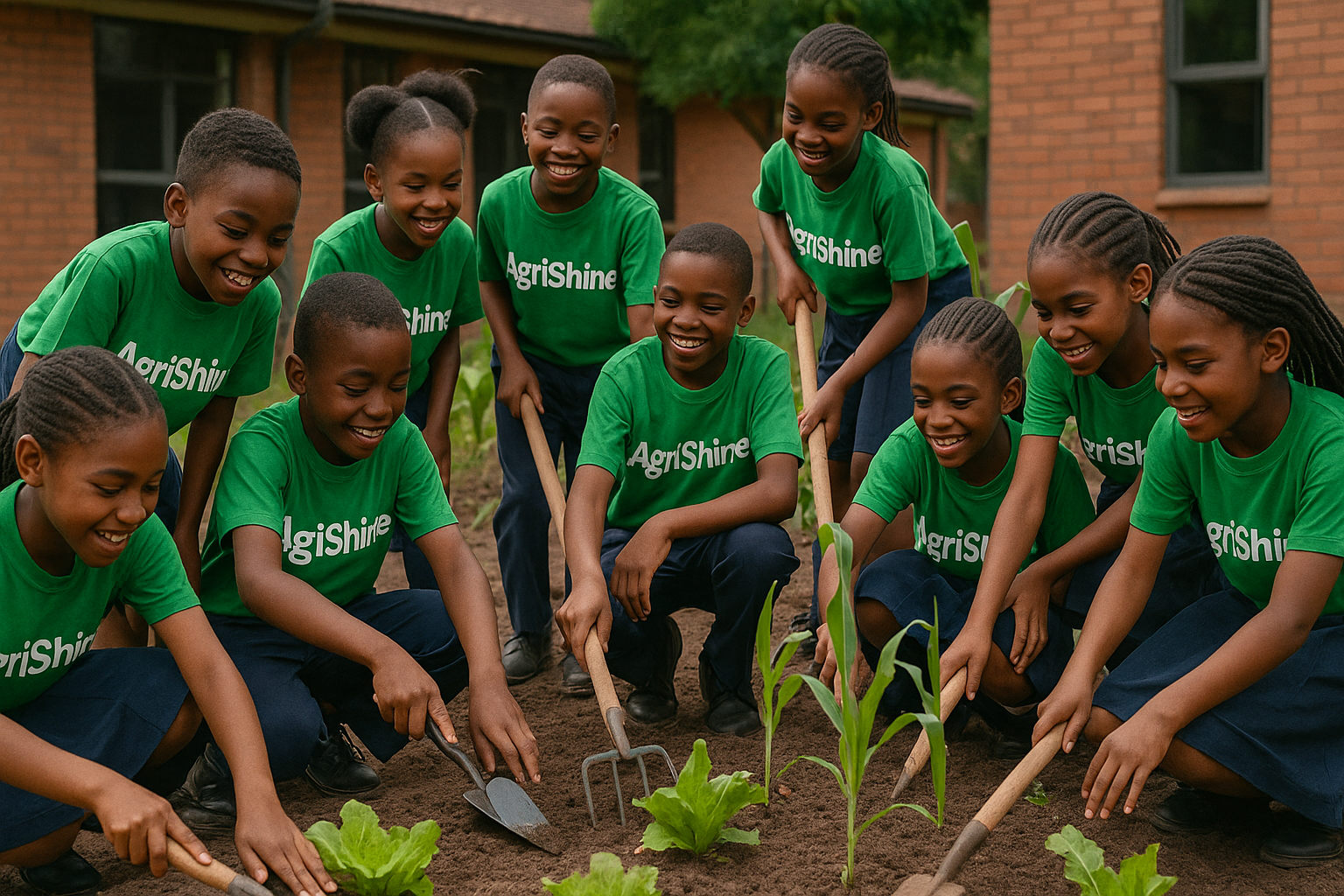
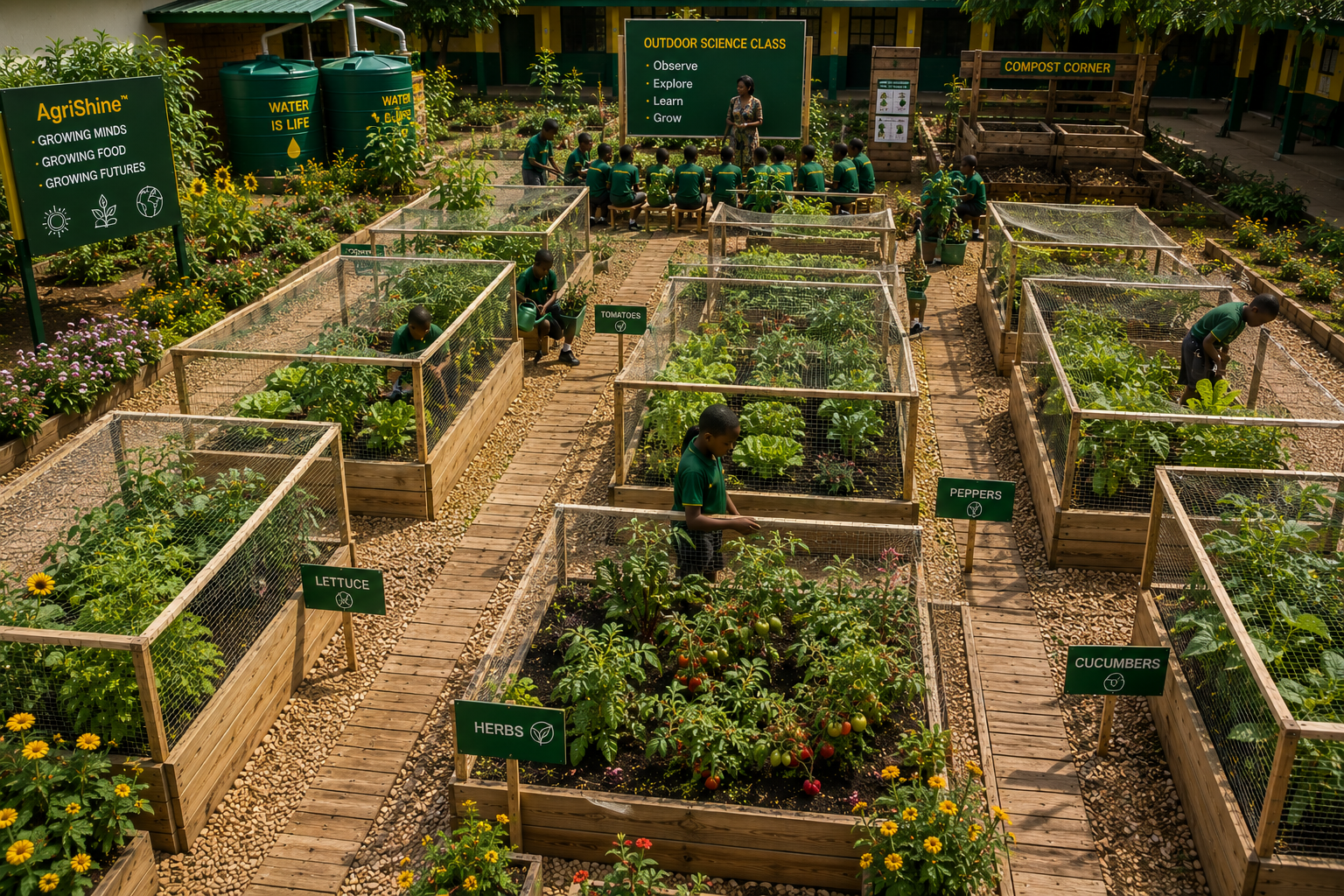
African pupils and teachers learning through the AgriShine school garden program
AgriShine Growing Knowledge Through Schools
Primary participants
  • Schools
  • Teachers
  • Pupils
  • Parents
Education, Nutrition and Environmental Learning

AgriShine

Transforming schools into practical learning and sustainability centers.

AgriShine brings agriculture, nutrition, climate, food, water, energy and environmental education into schools through practical garden systems, classroom resources, teacher development and student-led activities.
School garden installation
Teacher training and certification
Student garden clubs
Classroom charts and flashcards
Nutrition and healthy food education
Digital school garden monitoring
How AgriShine Uses the Ecosystem
AcademyTeacher training BooksLearning resources GrowHubGarden installation AppSchool monitoring
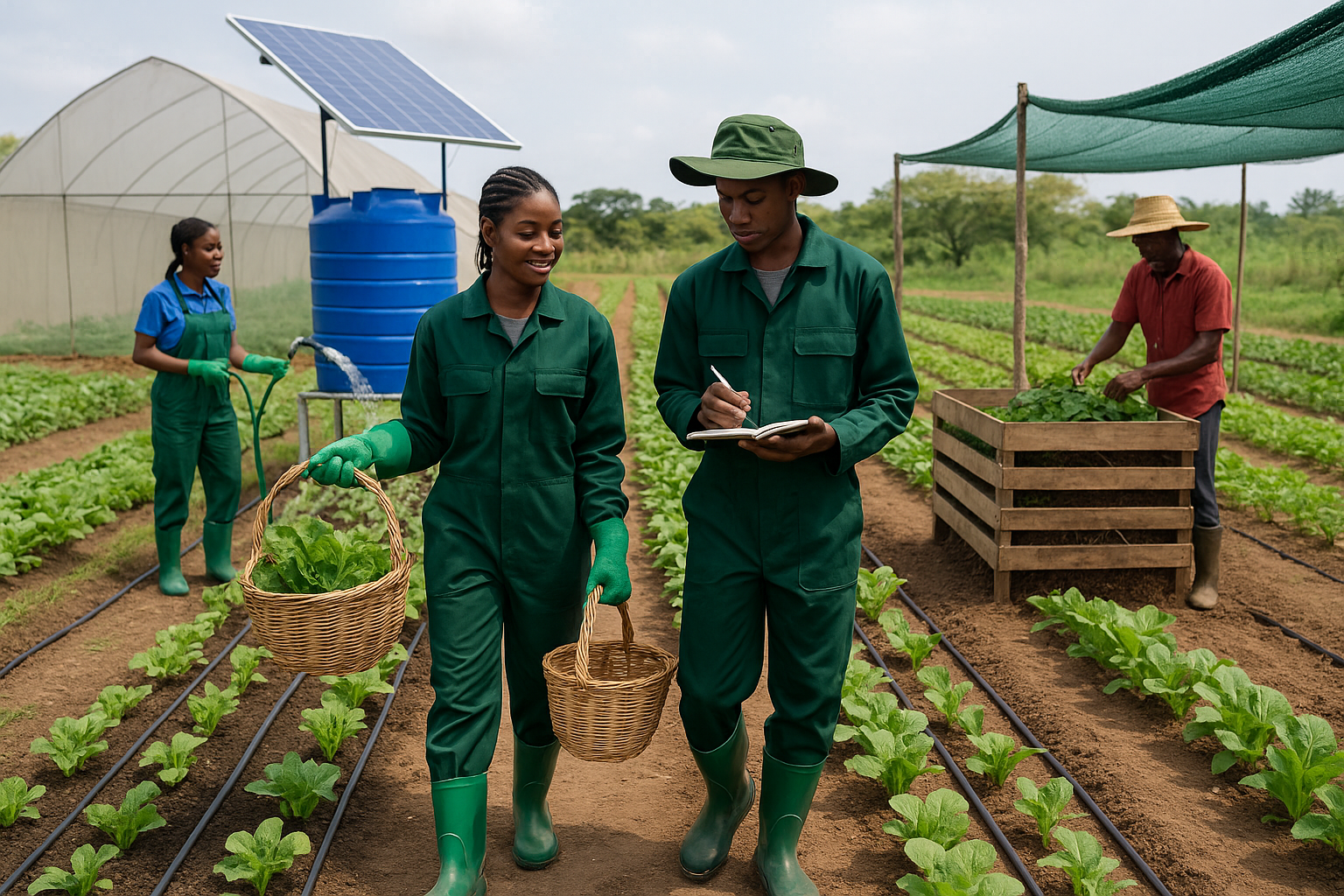
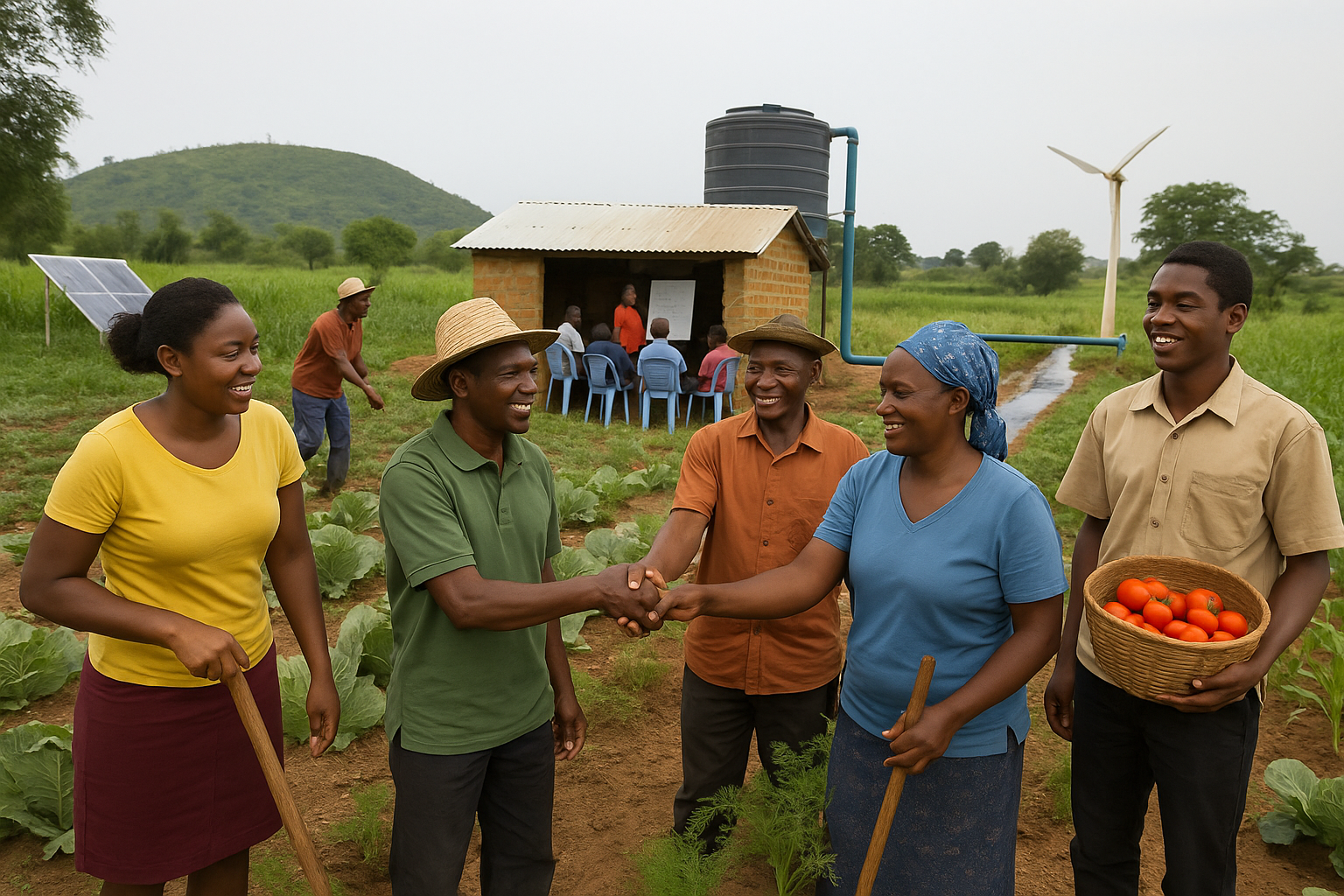
African youth participating in AgriNext green skills, garden installation and enterprise activities
AgriNext Building Africa’s Green Workforce
Primary participants
  • Youth
  • Graduates
  • Technicians
  • Entrepreneurs
Skills, Employment and Green Entrepreneurship

AgriNext

Developing certified youth technicians, service providers and green entrepreneurs.

AgriNext prepares young people for practical employment and enterprise opportunities in garden installation, nursery operations, school support, maintenance, digital monitoring and green service delivery.
Technical and practical training
Garden installation assignments
Nursery and crop operations
Maintenance services
Digital field reporting
Enterprise and trainer progression
AgriNext Career Pathway
Trainee Technician Team Leader Installer Trainer
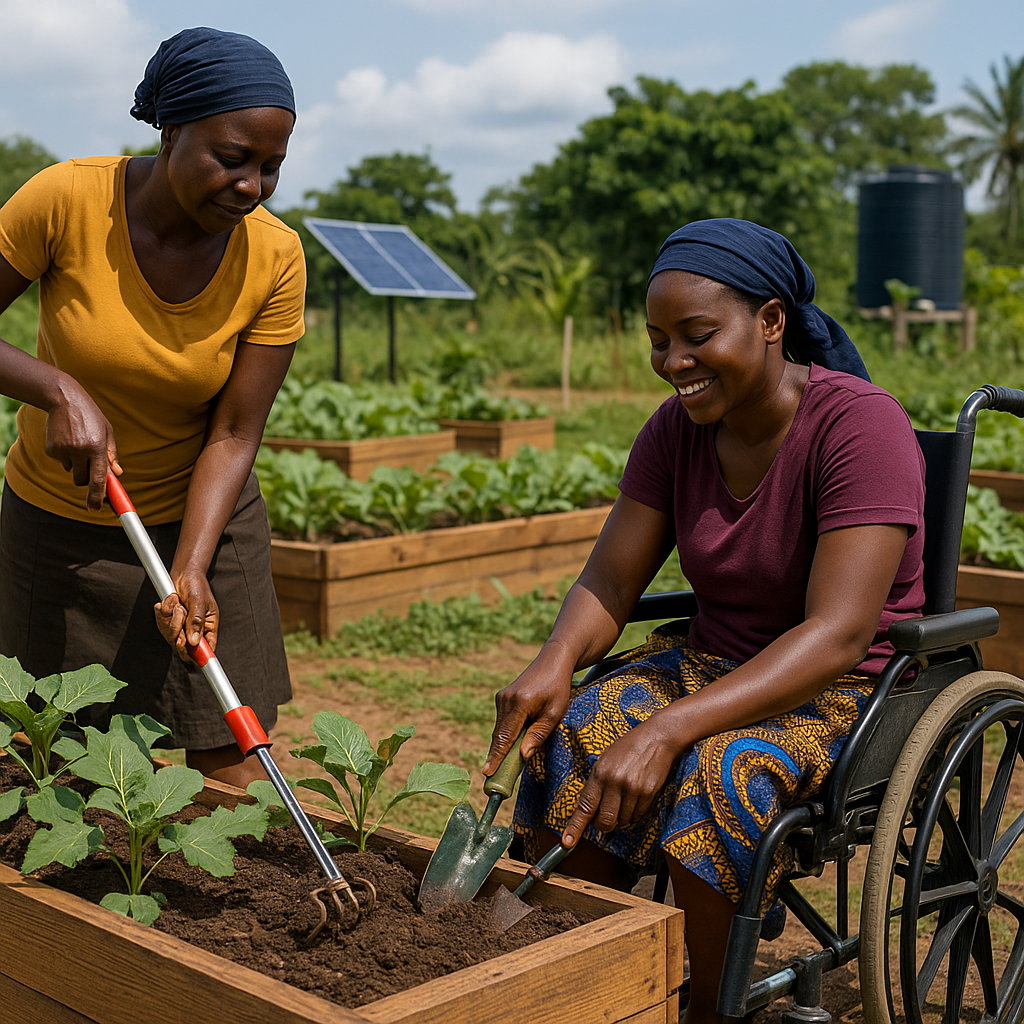
African women participating in AgriAble home gardening, nutrition and green enterprise activities
AgriAble Growing Nutrition and Women-Led Enterprises
Primary participants
  • Women
  • Mothers
  • Food vendors
  • Cooperatives
Household Nutrition and Women-Led Enterprise

AgriAble

Supporting women to grow food, develop enterprises and improve household nutrition.

AgriAble helps women establish home gardens, microgreens units, seedling enterprises, herb production systems and other small-space businesses that combine household consumption with income generation.
Home nutrition gardens
Sack and container systems
Microgreens production
Seedling and herb enterprises
Financial literacy and records
Market access and mentoring
AgriAble Enterprise Journey
Training Starter Garden Production Sales Growth
African farmers, trainers and community members participating in the AgriRoots program
AgriRoots Strengthening Farmers, Trainers and Communities
Primary participants
  • Farmers
  • Trainers
  • Nurseries
  • Communities
Local Knowledge, Technical Mentorship and Replication

AgriRoots

Building the local farmer, nursery and trainer networks that anchor the ecosystem.

AgriRoots connects LIFEWS to experienced farmers, nursery operators, cooperatives, extension officers and community institutions that provide technical mentorship, demonstration sites and local delivery capacity.

Farmer-trainer accreditation
Nursery and seedling development
Demonstration farms
Community mobilization
Technical quality assurance
Local replication and market coordination
AgriRoots Local Delivery Model
Lead Farmer Training Hub Local Workforce Community Services
One Shared Infrastructure

Every pillar uses the same learning, implementation and digital systems.

Academy+ Books+ GrowHub+ App
Find Your LIFEWS Pathway
From Learning to Sustainable Livelihoods

One Connected Journey From Knowledge to Income and Impact

Every school, youth, woman, farmer, trainer and community enters the LIFEWS ecosystem through a structured pathway. Each stage is connected to training, practical implementation, digital records, enterprise support and measurable outcomes.

01
Entry

Join the Ecosystem

A school, youth, woman, farmer, trainer, buyer or partner registers through LIFEWS and selects the pathway that matches their needs and goals.

  • Participant registration
  • Needs and readiness assessment
  • Pillar and pathway selection
  • Digital profile creation
Managed through LIFEWS Foundation and LIFEWS App
02
Knowledge

Learn

Participants complete the relevant LIFEWS Academy pathway using digital lessons, practical demonstrations and standardized learning resources.

  • Online and instructor-led courses
  • Practical demonstrations
  • Manuals and learning guides
  • Quizzes and field assignments
Delivered through LIFEWS Academy and LIFEWS Books
03
Competence

Become Certified

Participants demonstrate the technical knowledge, practical ability, professional conduct and reporting standards required for their role.

  • Theory assessment
  • Practical skills assessment
  • Supervised field activity
  • Verified digital credential
Certified through LIFEWS Academy and accredited trainers
04
Implementation

Build or Receive a Productive System

Certified technicians install gardens, while schools, women, farmers and community groups receive systems appropriate to their space, objectives and resources.

  • Site assessment
  • Garden system selection
  • Installation and handover
  • Digital site registration
Implemented through GrowHub Systems and AgriNext
05
Production

Produce or Deliver Services

Participants manage gardens, produce crops and seedlings, support schools, maintain systems, train others or provide technical services.

  • Crop and nursery production
  • Garden maintenance
  • School learning activities
  • Technical service delivery
Delivered through AgriShine, AgriNext, AgriAble and AgriRoots
06
Data

Record and Monitor Results

Learning, gardens, assignments, maintenance, production, harvests, sales and impact indicators are recorded through the LIFEWS digital system.

  • Garden and farm records
  • Work assignment reports
  • Production and harvest data
  • Performance dashboards
Recorded through the LIFEWS App
07
Enterprise

Access Markets and Earn

LIFEWS connects products and services to households, schools, institutions, retailers, restaurants, processors and other buyers.

  • Produce and seedling sales
  • Garden installation fees
  • Maintenance subscriptions
  • Institutional and buyer linkages
Supported through enterprise services and market partnerships
08
Growth

Reinvest, Expand and Mentor

Successful participants reinvest in their activities, expand their services, support new participants and progress toward leadership or trainer roles.

  • Enterprise reinvestment
  • Advanced certification
  • Team and business growth
  • Mentoring new participants
Sustained through continuous learning and ecosystem reinvestment
The LIFEWS Closed-Loop Model

Every outcome strengthens the next participant and the next community.

Income, knowledge, field data, market experience and community participation are reinvested into improved training, new garden systems, additional enterprises and future cohorts.

Learn Certify Build Produce Sell Reinvest
Our First Integrated Proof of Concept

LIFEWS Green Enterprise Ecosystem Pilot

From Learning to Green Livelihoods

This five-month pilot will demonstrate how LIFEWS Foundation, LIFEWS Academy, LIFEWS Books, GrowHub Systems, the LIFEWS App and the four LIFEWS pillars can operate as one connected system.

Five-Month Demonstration

Proving a complete pathway from training to deployment, production, enterprise and measurable impact.

The pilot will recruit, train and provisionally certify youth, women, teachers and local technical partners. Participants will then establish and maintain school gardens, home production systems, microgreens units and a central nursery while LIFEWS records training, assignments, production, sales and outcomes.

The objective is not simply to train participants or install gardens. It is to prove that LIFEWS can coordinate the entire system through which people learn, work, produce, earn and grow.
Who Will Participate?

A focused cohort designed for close supervision and measurable results.

The first cohort is intentionally controlled so LIFEWS can test quality, operational discipline, cost recovery and replication.

20

Youth Participants

Recruited and deployed through AgriNext.

15

Women Participants

Supported through AgriAble enterprise clusters.

5

Primary Schools

Two public and three private schools under AgriShine.

10

Teacher Coordinators

Two teachers nominated by each participating school.

1

Lead Farmer-Trainer

Providing practical training and technical oversight.

2

Assistant Trainers

Developed through AgriRoots for future replication.

100–150

Participating Pupils

Engaged through school garden clubs and learning activities.

21

Productive Sites

Five school gardens, 15 women’s systems and one nursery hub.

What Will Be Established?

Four practical garden systems that connect learning, nutrition and enterprise.

The pilot starts with affordable systems that can be installed, maintained and replicated without complex infrastructure.

01

Soil-Based School Gardens

Low-cost learning gardens for public schools and sites with suitable land.

02

Raised-Bed School Gardens

Structured and attractive systems for private schools and premium learning environments.

03

Sack and Container Gardens

Small-space systems for women, households and urban or peri-urban settings.

04

Microgreens and Seedling Units

Rapid-cycle production systems for nutrition education, nursery supply and enterprise testing.

The Ecosystem in Practice

Every LIFEWS platform and pillar has a defined role in the pilot.

The pilot is designed to demonstrate integration rather than separate organizational activities.

LIFEWS Academy Courses, assessment and certification
LIFEWS Books Manuals, charts, flashcards and workbooks
GrowHub Systems Garden design, installation and maintenance
LIFEWS App Profiles, assignments, production and impact records
AgriShine Schools, teachers, pupils and learning activities
AgriNext Youth training, deployment and paid assignments
AgriAble Women’s gardens, production and enterprise clusters
AgriRoots Farmers, trainers, nursery and technical quality
What the Pilot Must Prove

Evidence for replication, partnerships and long-term growth.

At the end of five months, LIFEWS should be able to demonstrate that the operating model is technically sound, operationally manageable, financially promising and suitable for expansion.

01

Participants can be recruited, trained and certified.

02

Youth can deliver quality installation and maintenance work.

03

Women can operate productive and market-oriented enterprises.

04

Schools can use gardens for learning and contribute financially.

05

Digital records can support monitoring, payments and decisions.

06

The model can generate repeat demand and replication interest.

Build the First LIFEWS Ecosystem With Us

Support the pilot as a school, trainer, sponsor, buyer or implementation partner.

Starting With a Focused and Replicable Model

School and Home Nutrition Garden Track

The first LIFEWS pilot will focus on affordable garden systems that can support practical education, household nutrition, youth employment and women-led enterprise without requiring complex infrastructure.

One Track. Multiple Applications.

A shared garden pathway for schools, households, technicians, women entrepreneurs and farmer-trainers.

The four starting garden systems have been selected because they are practical, adaptable and suitable for different spaces and income levels. They can be standardized, installed by trained AgriNext technicians and supported by AgriRoots trainers.
Affordable Designed around accessible materials and practical budgets.
Trainable Suitable for hands-on workforce and enterprise development.
Productive Supports vegetables, herbs, microgreens and seedlings.
Replicable Can expand across schools, households and communities.
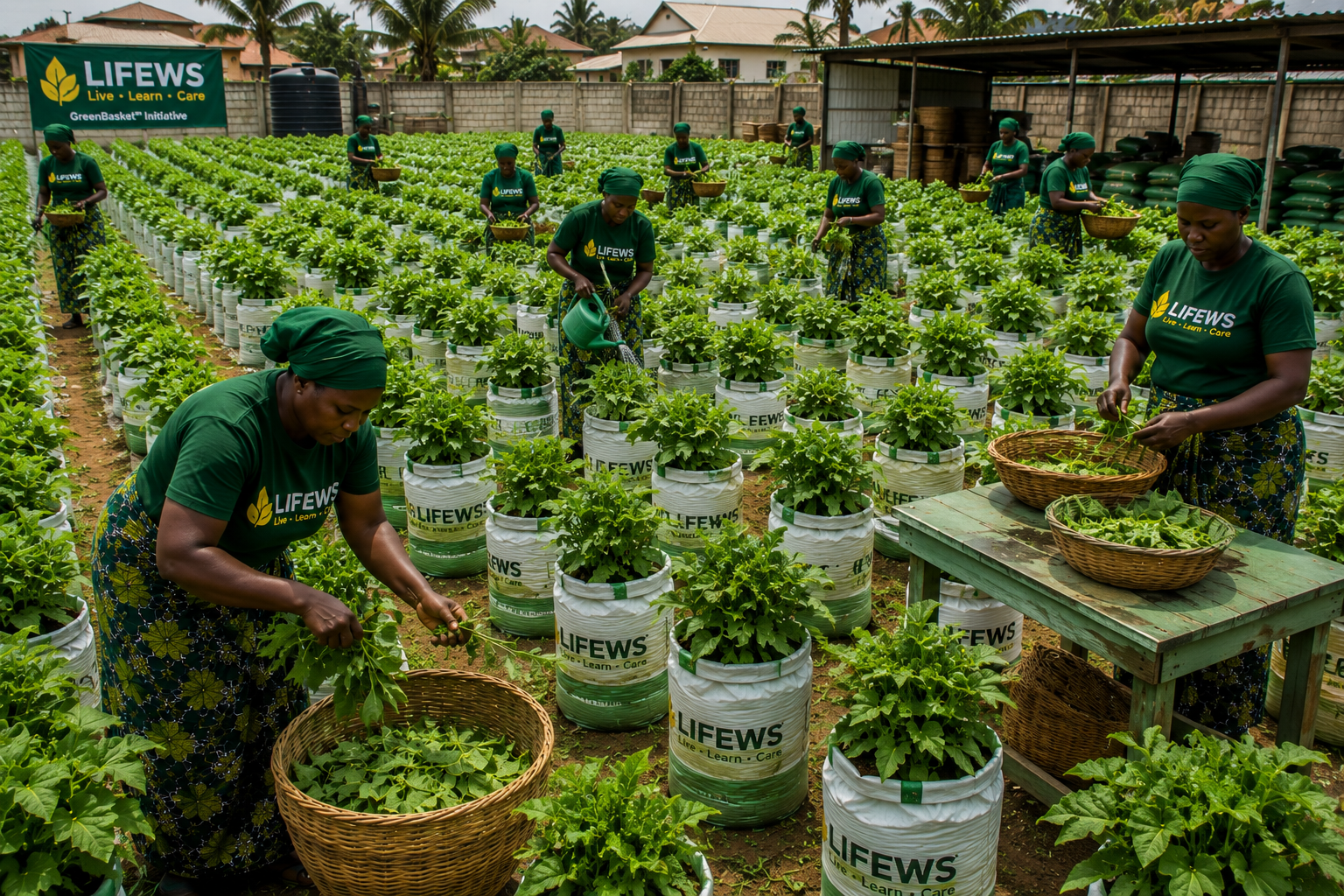
African school or community nutrition garden using accessible growing systems
School Garden Practical food and environmental learning
01
School and Community Learning

Soil-Based Learning Garden

A low-cost garden established directly in suitable ground for practical agriculture, nutrition, food and environmental learning.
Best suited for Public schools, community schools and demonstration sites
Possible crops Ugu, amaranth, okra, pepper, tomato and herbs
  • Low initial installation cost
  • Practical soil and compost learning
  • Suitable for student garden clubs
  • Can support multiple crop beds
  • Uses familiar production techniques
African school raised-bed learning garden
Raised Bed Structured gardens for schools and institutions
02
Structured School Garden

Raised-Bed Learning Garden

A structured garden system that improves organization, accessibility, growing-media control and the appearance of the school learning environment.

Best suited for Private schools, premium public schools and institutions
Possible crops Lettuce, vegetables, herbs, pepper and nursery crops
  • Attractive and clearly organized
  • Improved growing-media control
  • Easier access for pupils and teachers
  • Suitable for branded school packages
  • Supports maintenance subscriptions
African household sack and container nutrition garden
Small Space Flexible production for homes and compact spaces
03
Household and Small-Space Production

Sack and Container Garden

A flexible small-space production system for households, women entrepreneurs, urban schools and participants without access to open land.
Best suited for AgriAble participants, households and compact schools
Possible crops Ugu, herbs, spring onion, amaranth, pepper and tomato
  • Requires limited space
  • Can be moved or rearranged
  • Suitable for rented properties
  • Easy to expand gradually
  • Supports household consumption and sales
African agribusiness training and compact agricultural enterprise system
Enterprise Unit Rapid-cycle production and nursery development
04
Rapid-Cycle Enterprise

Microgreens and Seedling Unit

A compact production system for rapid crop cycles, nursery supply, practical science demonstrations and small-scale enterprise development.

Best suited for Women entrepreneurs, youth nursery teams and schools
Possible products Microgreens, vegetable seedlings, herbs and starter plants
  • Requires very limited space
  • Supports short production cycles
  • Suitable for market testing
  • Supplies seedlings to other gardens
  • Connects production with entrepreneurship
How the Garden Track Connects the Four Pillars

The same garden systems create different opportunities for different participant groups.

AgriShine

School Learning

Schools use gardens for science, nutrition, environmental education, practical learning and student garden clubs.

AgriNext

Youth Employment

Trained youth assess sites, install gardens, provide maintenance, support schools and earn through service assignments.

AgriAble

Women-Led Enterprise

Women operate home gardens, microgreens units and seedling enterprises for household nutrition and income.

AgriRoots

Technical and Community Support

Farmers and trainers provide nursery supply, technical supervision, demonstrations and local quality assurance.

Delivered Through GrowHub Systems

Every garden follows a standardized service pathway.

GrowHub Systems coordinates site assessment, design, quotation, installation, training, digital registration and maintenance while certified LIFEWS technicians deliver the practical work.

01 Select a Garden
02 Assess the Site
03 Design and Quote
04 Install
05 Train and Register
06 Maintain and Expand
Start With the Right Garden System

Register a school, establish a home garden or request a customized GrowHub site assessment.

Find Your Place in the Ecosystem

Who Can Participate?

LIFEWS provides practical pathways for schools, youth, women, farmers, partners and buyers.

AgriShine

Schools and Teachers

Establish learning gardens, train teachers and access classroom resources, garden clubs and maintenance support.

Register a School
AgriNext

Youth

Gain practical skills, certification and paid opportunities in installation, nursery work and garden maintenance.

Join AgriNext
AgriAble

Women

Build home gardens, microgreens units, seedling businesses and nutrition-focused household enterprises.

Join AgriAble
AgriRoots

Farmers and Trainers

Become technical partners, nursery operators, mentors, demonstration-site managers or accredited trainers.

Become a Trainer
Partnerships

Government, NGOs and Institutions

Collaborate on school gardens, youth employment, women’s enterprises, research and community development.

Partner With LIFEWS
Market Ecosystem

Buyers and Sponsors

Purchase produce, seedlings and services, or sponsor gardens, participant training and starter enterprises.

Become a Buyer
Not Sure Where You Fit?

Tell us your goal and we will guide you to the appropriate LIFEWS pathway.

Find My Pathway
Get Involved Now

Current LIFEWS Opportunities

Explore practical ways to learn, participate, partner, sponsor and contribute to the LIFEWS Green Enterprise Ecosystem.

Applications 01
AgriNext

Green Technician Training

For youth interested in garden installation, nursery operations, maintenance, school support and green enterprise services.

Apply for Training
New Cohort 02
AgriAble

Home Garden Enterprise Cohort

For women interested in home gardens, microgreens, herbs, seedlings, household nutrition and small-scale enterprise.

Join the Cohort
School Registration 03
AgriShine

Register a School Garden

For public and private schools seeking practical gardens, teacher training, classroom resources and maintenance support.

Register Your School
Partner Network 04
AgriRoots

Become a Farmer-Trainer

For experienced farmers, nursery operators, extension officers and technical practitioners who can train and mentor others.

Apply as a Trainer
Sponsorship 05
Social Impact

Sponsor a Garden or Participant

Support a school, woman, youth technician, community nursery or enterprise starter package.

Sponsor an Opportunity
Market Network 06
Market Ecosystem

Become a Buyer

Register as a household, school, hotel, retailer, restaurant, processor or institutional buyer.

Join the Buyer Network
Build the Ecosystem With Us

Participate directly or help LIFEWS create more learning, employment and enterprise opportunities.

Measuring What Matters

Every Participant, Garden and Enterprise Counts

LIFEWS will use training records, field reports, production data and digital monitoring to measure learning, employment, nutrition, enterprise and environmental outcomes.

View Impact Dashboard
0+ People Trained
0+ Schools Reached
0+ Gardens Installed
0+ Enterprises Supported
Data Integrity

Figures will remain at zero until verified pilot data are available. All published results should be supported by participant, garden, production and financial records.

Evidence for Sustainable Action

Research, Learning and Knowledge for Africa

LIFEWS combines research, field experience and practical education to improve programs, support policy and share solutions that communities can apply.

Knowledge-to-Action Model

Turning research and field evidence into practical tools, courses and sustainable systems.

Lessons generated through schools, gardens, farmers, women, youth and communities are documented and transformed into courses, books, implementation guides and policy insights.

Research Learning Practice Evidence Improvement
Visit the Knowledge Hub
Research and Innovation

Applied Sustainability Research

Research on food, energy, water, climate, agrivoltaics, education, nutrition and community enterprise systems.

Explore Research
Articles and Insights

Ideas That Explain Complex Issues

Accessible articles on agriculture, climate, water, energy, technology, education and sustainable development.

Read Articles
Reports and Evidence

Documenting Results and Lessons

Pilot reports, case studies, impact findings, implementation lessons and evidence for replication.

View Reports
Policy and Practice

Evidence for Better Decisions

Policy briefs and recommendations supporting schools, livelihoods, food systems and environmental action.

View Policy Briefs
Learn through LIFEWS Academy
Access resources from LIFEWS Books
Apply knowledge through GrowHub Systems
Record evidence with LIFEWS App
Build Sustainable Systems With LIFEWS

Partner With Us to Scale Green Livelihoods Across Africa

LIFEWS works with governments, schools, farmers, universities, NGOs, companies, donors and development institutions to deliver integrated education, garden, workforce and enterprise programs.

01

Fund a Program

Support school gardens, participant training, enterprise starter systems or community nurseries.

02

Implement Together

Use LIFEWS platforms, courses, resources and technical systems within your project or location.

03

Provide Markets

Purchase produce, seedlings, services and learning materials from ecosystem participants.

04

Research and Innovate

Collaborate on evidence generation, technology, policy and scalable sustainability solutions.

Join the LIFEWS Community

Stay Connected to Africa's Green Enterprise Ecosystem

Receive practical resources, new courses, books, implementation guides, funding opportunities, research updates and stories from schools, farmers, women and youth across Africa.

📚 LIFEWS Books

Books, charts and teaching materials.

🎓 LIFEWS Academy

Online courses and certifications.

🌱 GrowHub Systems

School and household garden solutions.

📱 LIFEWS App

Digital learning and field management.