About LIFEWS Foundation
Building Integrated Systems for Sustainable African Livelihoods
LIFEWS Foundation is developing an integrated ecosystem that connects knowledge, practical education, food production, green skills, enterprise development, digital innovation, markets and community action.
We believe sustainable development becomes more effective when people, institutions, technologies and value chains operate as one coordinated system rather than as isolated projects.
Our Purpose
Transform knowledge into practical systems, opportunities
and sustainable livelihoods.
4
Participant-centered pillars
1
Connected ecosystem
Our Story
LIFEWS began with a systems question: Why do good projects struggle to become sustainable?
Across Africa, many initiatives provide training, distribute inputs or establish short-term projects. Yet participants may still lack practical support, employment opportunities, enterprise services, digital records, finance or dependable markets.
LIFEWS was conceived to address this fragmentation. Instead of treating education, agriculture, employment, technology and enterprise as separate sectors, the Foundation is building a coordinated ecosystem in which each component strengthens the others.
Nigeria provides the initial context for testing and refining this model, with the longer-term aspiration of adapting it across African communities and institutions.
Why LIFEWS Exists
To design and coordinate integrated education, production, workforce, digital and enterprise systems that strengthen sustainable livelihoods.
To help people move from learning to practical action, productive participation, income generation and community contribution.
The LIFEWS Difference
We are building an ecosystem, not a collection of disconnected projects.
LIFEWS is structured to connect learning, implementation, production, enterprise, markets, research and reinvestment.
Understand the Ecosystem
Training
↓
Short-Term Activity
↓
Project Ends
Learning
↓
Practical Implementation
↓
Production and Enterprise
↓
Markets and Income
↓
Learning and Reinvestment
From Knowledge to Sustainable Livelihoods
The LIFEWS operating model connects seven mutually reinforcing layers.
Policy and Governance
Standards, institutional relationships, accountability and enabling systems.
Knowledge
Courses, research, books, teaching resources and practical training.
Production
Gardens, nurseries, farms, agroforestry and productive infrastructure.
Digital Integration
Participant profiles, learning records, field data and decision-support tools.
Enterprise
Business development, processing, services, branding and employment.
Markets
Buyers, institutional demand, distribution and customer connections.
Impact and Reinvestment
Evidence, continuous improvement, community investment and replication.
One Ecosystem, Four Participant Pathways
The four pillars organize LIFEWS programs around the people they are designed to serve.
Schools and Learners
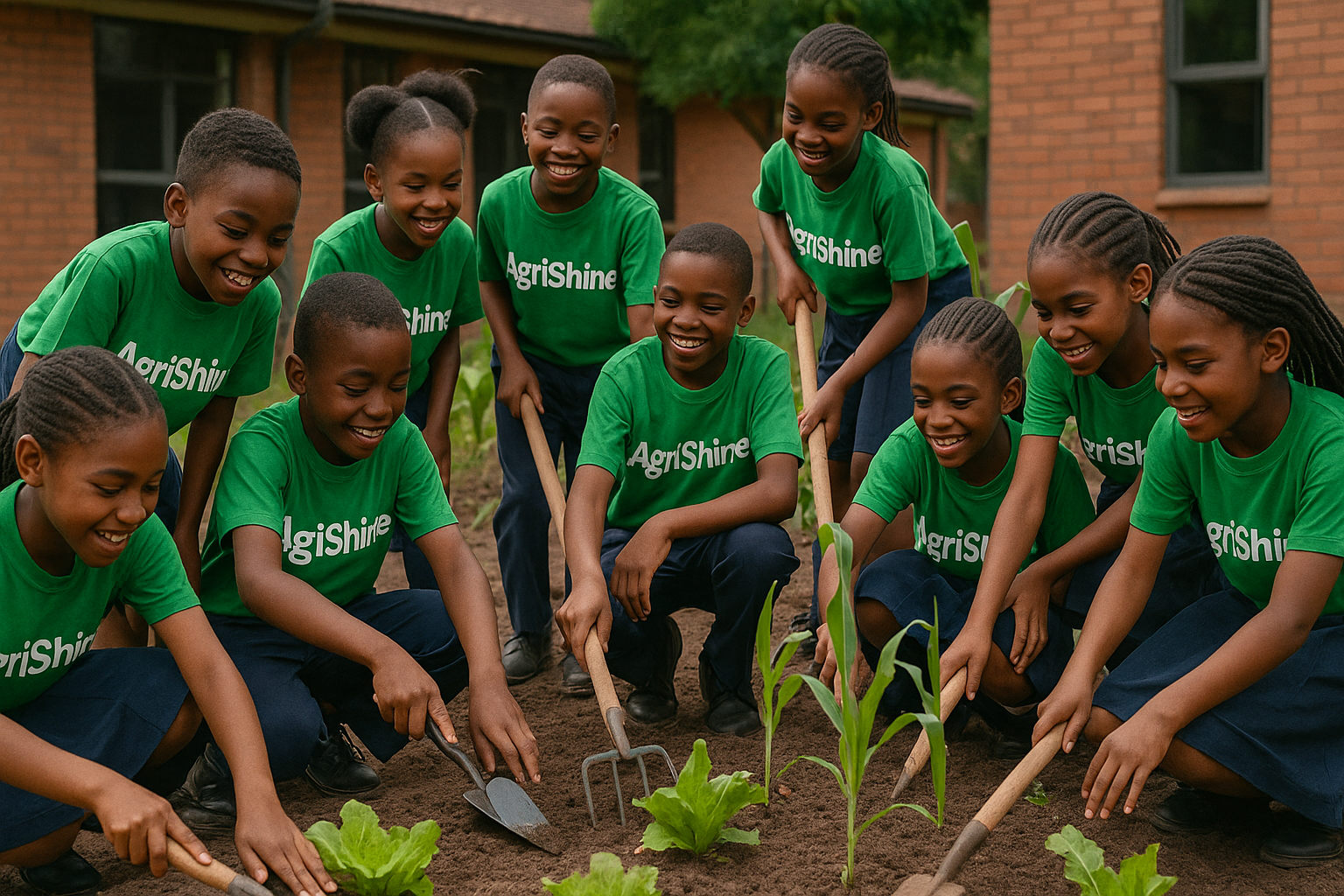
AgriShine
Practical sustainability, food, garden and environmental learning for schools.
Explore AgriShine →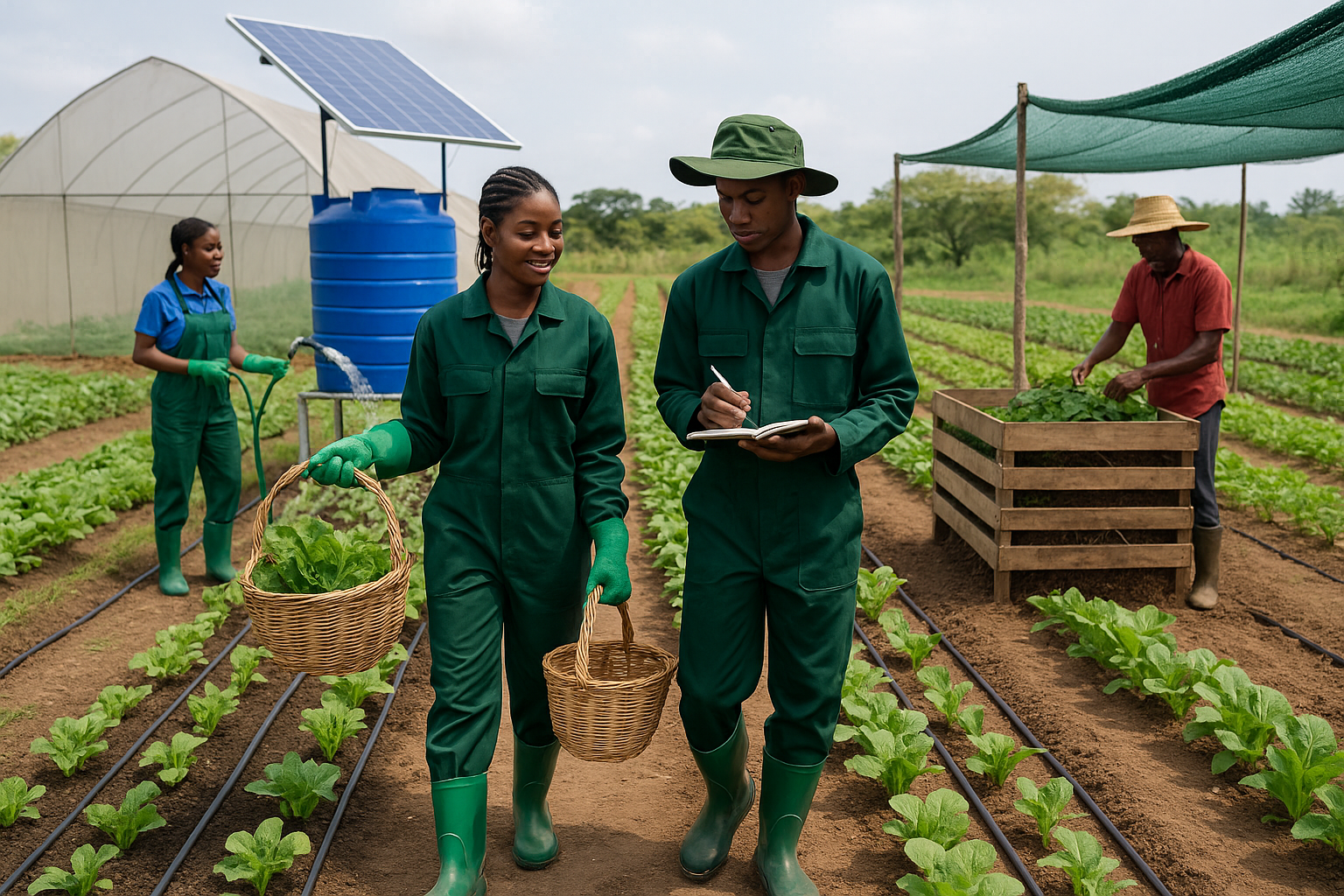
Youth and Green Work
AgriNext
Skills, practical assignments, employment pathways and green entrepreneurship for youth.
Explore AgriNext →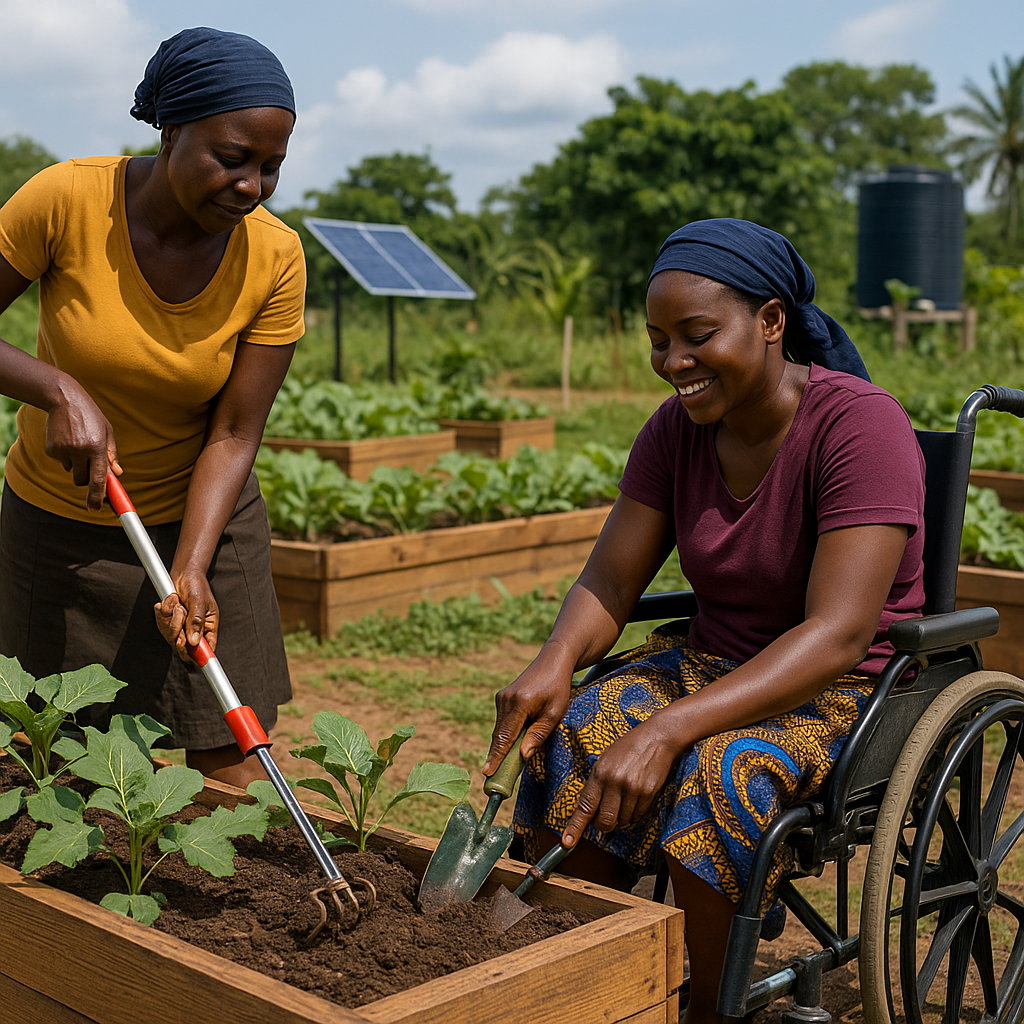
Women and Households
AgriAble
Nutrition gardens, microenterprises and productive livelihood pathways for women.
Explore AgriAble →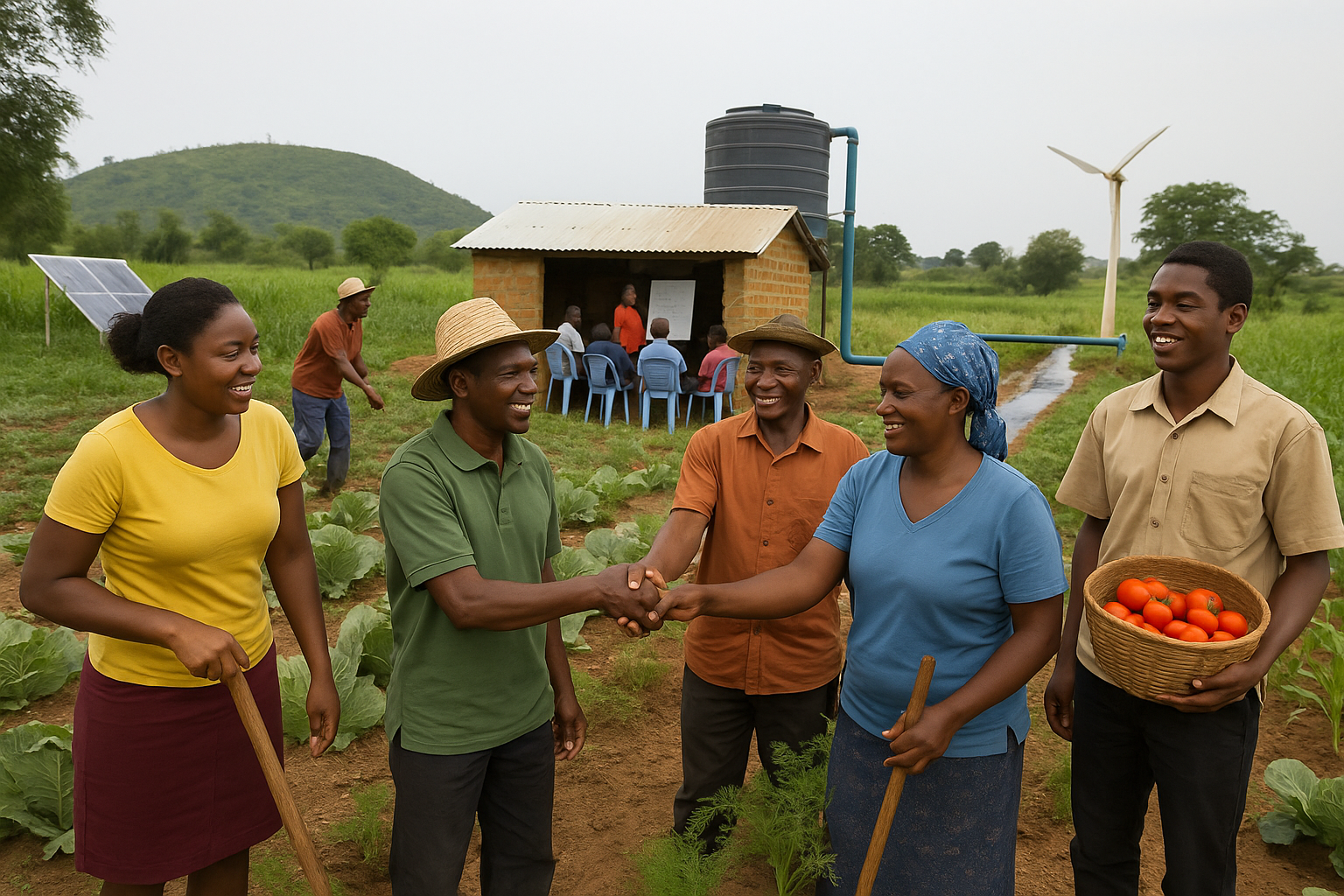
Farmers and Communities
AgriRoots
Farmer-trainers, nurseries, demonstration systems and local technical delivery.
Explore AgriRoots →Shared Infrastructure for Learning and Implementation
Each platform has a distinct role within the broader LIFEWS ecosystem.
LIFEWS Academy
Online learning, practical training, assessments and certification pathways.
Learn and certify →LIFEWS Books
Books, manuals, classroom charts, flashcards, workbooks and teaching resources.
Access knowledge →GrowHub Systems
Garden assessment, design, installation, maintenance and implementation services.
Build practical systems →LIFEWS App
Digital learning records, assignments, production data, enterprise records and impact monitoring.
Operate digitally →Principles That Will Guide How LIFEWS Operates
Integration
We connect knowledge, technology, people, institutions and markets.
Practical Action
Learning should lead to skills, systems, services and measurable change.
Inclusion
Programs should create meaningful pathways for schools, women, youth, farmers and communities.
Environmental Responsibility
Production and enterprise should protect soil, water, biodiversity and climate resilience.
Evidence
Targets, reported results and verified outcomes should be clearly distinguished.
Local Capacity
Communities should gain the skills and institutions required to sustain their own development.
Partnership
Complex problems require collaboration across sectors and disciplines.
Continuous Learning
Programs should improve through feedback, research and field evidence.
Our Organizational Role
LIFEWS Foundation as Ecosystem Integrator
LIFEWS Foundation provides the strategic and coordinating layer that connects programs, platforms, participants and partners.
As the ecosystem develops, governance structures will be used to support transparency, safeguarding, quality assurance, responsible partnerships and evidence-based reporting.
Explore GovernanceStrategy and Program Design
Define ecosystem priorities, participant pathways and implementation standards.
Partnership Coordination
Align government, educational, technical, commercial and development partners.
Capacity Development
Coordinate courses, trainers, practical assessments and accreditation systems.
Quality Assurance
Establish standards for training, installation, production and service delivery.
Monitoring and Learning
Capture data, review evidence and support continuous improvement.
Resource Mobilization
Develop funding, social-enterprise and reinvestment pathways for sustainability.
Our Long-Term Aspiration
Beginning in Nigeria, Designed for African Adaptation
LIFEWS intends to begin with focused proof-of-concept programs, evaluate what works, strengthen the operating model and expand through accredited local partners.
The objective is not to impose one identical model everywhere, but to provide a shared framework that can be adapted to local cultures, climates, institutions, markets and community needs.
Pilot
→
Learn
→
Improve
→
Replicate
→
Scale
Become Part of the LIFEWS Journey